
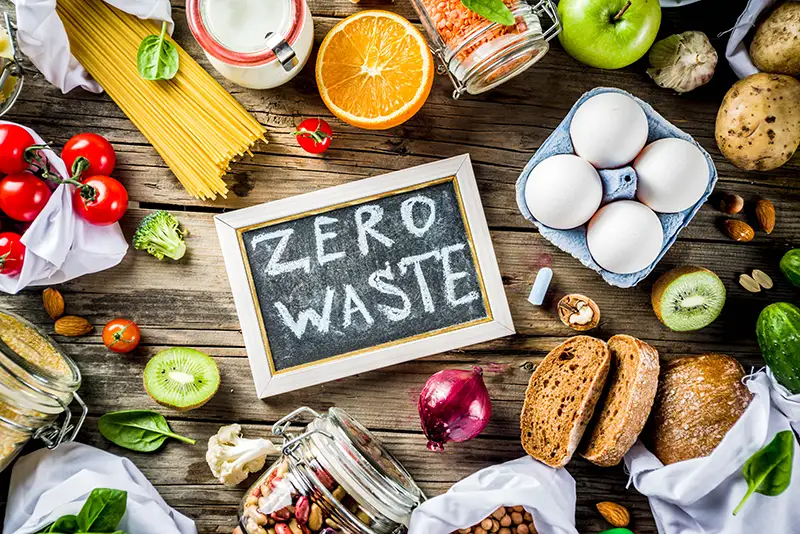
Reducing Kitchen Waste: A Habit That Nourishes You and the Planet
Reducing Kitchen Waste: A Habit That Nourishes You and the Planet
By Ayleen Rivadeneira, Nutritionist
Every year, millions of tons of food end up in the trash while millions of people struggle to eat well. Reducing kitchen waste is not just an environmental responsibility — it’s also an opportunity to improve your nutrition and save money at home.
Why do we waste food?
Food waste often happens because we buy more than we need, forget ingredients in the back of the fridge, or throw away parts of food that are still edible and nutritious.
Using every part = better nutrition
Embracing whole food use can boost your intake of fiber, vitamins, and minerals:
- Peels, stems, and leaves: We often toss carrot or zucchini peels, or beet greens — yet these parts are rich in fiber and micronutrients. Well-washed, they can be added to soups, broths, or stir-fries.
- Bones and fish scraps: These can be boiled into homemade broths full of collagen and minerals.
- Overripe fruits: Don’t toss them — turn them into smoothies, jams, or homemade baked goods.
Plan wisely
Good planning is key to wasting less and eating better:
- Create a weekly meal plan to buy only what you’ll really use.
- Organize your pantry and fridge so you use items that are closest to expiring first.
- Cook the right portions and save leftovers for another meal.
Creativity is your best tool
Get creative with what you have on hand:
- Stale bread? Make croutons or bread pudding.
- Wilted veggies? Perfect for creamy soups or sautés.
- Leftover rice? A great base for croquettes or salads.
Good for you, good for everyone
Cutting food waste means spending less, eating better, and reducing the strain on our natural resources. It’s a simple, powerful way to make a difference right from your kitchen.
Reduce, reuse, and nourish — three words that can transform how we relate to food. The change starts at home, and every small effort adds up.
Do you have a favorite leftover recipe? Share it with us and let’s keep inspiring each other to build a more sustainable future!
Store Smart
Proper food storage is one of the easiest and most effective ways to reduce waste and protect our health. When we store our food thoughtfully, we honor the resources behind it — from the soil it came from to the hands that harvested it. It’s a small act of care that nourishes both our bodies and our planet. When we store foods correctly, they stay fresher longer, taste better, and retain more of their nutrients — and we avoid unnecessary trips to the store or last-minute tosses into the trash.
Understand your fridge and pantry
- Know what belongs — and what doesn’t — in the fridge
- Each part of your refrigerator has a purpose:
- Upper shelves: Ideal for ready-to-eat items, leftovers, or drinks.
- Lower shelves: The coldest zone, perfect for raw meats (always store them on a plate or in a leak-proof container).
- Crisper drawers: Use one for fruits, one for vegetables. Most veggies like a slightly humid environment, while fruits prefer low humidity.
- Leafy greens stay fresher when washed, wrapped in a paper towel, and stored in a container.
- Fresh herbs last longer in a glass of water in the fridge, like a bouquet.
- Some foods do better outside the refrigerator:
- Tomatoes, potatoes, onions, and garlic keep their flavor and texture best in a cool, dry place.
- Bananas, avocados, and stone fruits (like peaches or plums) ripen best at room temperature — once ripe, they can go in the fridge to last longer.
- Dry foods like grains, nuts, and legumes should be kept in airtight containers in a cool, dark place like a pantry — away from heat and light, which can speed up spoilage.
Label and rotate
Mark containers with the date you cooked or opened them. Follow the FIFO rule (First In, First Out): eat older items first. This keeps your fridge and pantry tidy and prevents “forgotten” foods.
Freeze wisely
Freezing is a powerful ally in reducing waste. Portion soups, sauces, or chopped veggies into containers or freezer bags — label them and use within 2–3 months for best flavor. Even small amounts of leftovers can become quick future meals.
What’s your favorite food storage trick? Share it and be part of the change toward a smarter, more sustainable kitchen!